


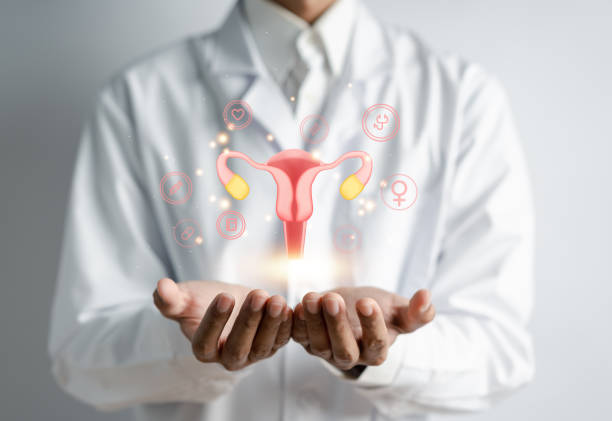
Choosing the right birth control method is a personal decision that involves considering factors such as effectiveness, convenience, and individual health needs. With advancements in medical science, there are now numerous options available, each with its own benefits and considerations. In this guide, we’ll explore the various types of birth control methods, empowering you to make an informed decision about your reproductive health.
Understanding Hormonal Birth Control: Hormonal birth control methods, such as birth control pills, patches, and hormonal IUDs, work by regulating hormone levels to prevent ovulation or thicken cervical mucus, making it difficult for sperm to reach the egg. These methods are highly effective when used correctly and consistently, but they may not be suitable for everyone, particularly those with certain medical conditions or hormone sensitivities.

Exploring Barrier Methods: Barrier methods, such as condoms, diaphragms, and cervical caps, create a physical barrier that prevents sperm from reaching the egg. Condoms, in particular, are also effective at preventing sexually transmitted infections (STIs). Barrier methods are non-hormonal and have minimal side effects, making them suitable for many individuals, but they require consistent and correct use to be effective.
Long-Acting Reversible Contraceptives (LARCs): LARCs, including hormonal and non-hormonal options such as intrauterine devices (IUDs) and contraceptive implants, provide long-term contraception with minimal user effort. Once inserted by a healthcare provider, these methods can provide protection against pregnancy for several years, offering convenience and peace of mind for individuals seeking long-term contraception.
Considering Permanent Birth Control: For individuals seeking a permanent solution to contraception, sterilization procedures such as tubal ligation (for females) or vasectomy (for males) offer a highly effective option. These procedures are typically irreversible and should be considered only by those who are certain they do not want to have children in the future.
Exploring Natural Family Planning: Natural family planning methods, such as fertility awareness-based methods (FAMs) or the calendar method, involve tracking fertility signs to identify fertile and infertile days in a woman’s menstrual cycle. While natural family planning methods are hormone-free and have no side effects, they require dedication and careful monitoring to be effective.
The wide range of birth control methods available today offers individuals the flexibility to choose the option that best fits their lifestyle, preferences, and health needs. Whether you prefer the convenience of hormonal contraceptives, the reliability of barrier methods, or the long-term protection of LARCs, there is a birth control method suited to you. Consult with your healthcare provider to discuss your options and make an informed decision about contraception that aligns with your reproductive goals and values.


