



Navigating the landscape of human sexuality begins with understanding the fundamentals of sexual anatomy. Whether you’re embarking on a journey of self-discovery or seeking to enhance your understanding of human biology, grasping the basics of sexual anatomy is essential. In this beginner’s guide, we’ll delve into the intricate structures and functions of the human reproductive system, shedding light on terminology, key concepts, and essential knowledge.
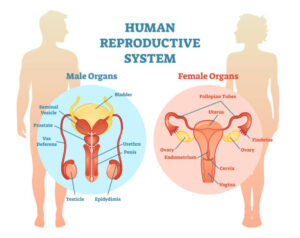
What is Sexual Anatomy? At its core, sexual anatomy encompasses the physical structures and organs involved in human reproduction and sexual pleasure. For individuals assigned male at birth, this typically includes the penis, testes, scrotum, and associated structures. For individuals assigned female at birth, it includes the vagina, uterus, ovaries, and related anatomy.
Male Sexual Anatomy: The male reproductive system primarily consists of external and internal organs. External structures such as the penis and scrotum are visible, while internal organs like the testes, epididymis, vas deferens, and prostate gland play crucial roles in sperm production, storage, and ejaculation.
Female Sexual Anatomy: In contrast, the female reproductive system encompasses internal and external structures. External genitalia include the vulva, clitoris, labia, and vaginal opening, while internal organs like the uterus, fallopian tubes, and ovaries are responsible for egg production, fertilization, and pregnancy.
Key Concepts and Terminology: Understanding sexual anatomy involves familiarizing oneself with terminology and key concepts. Terms like “erection,” “ovulation,” “menstruation,” and “ejaculation” denote specific physiological processes. Similarly, concepts such as “fertilization,” “conception,” and “gestation” are integral to comprehending reproductive biology.
Variations and Diversity: It’s essential to recognize that sexual anatomy can vary significantly among individuals. Intersex variations, for instance, may involve differences in genitalia, hormone levels, or chromosomal patterns. Embracing diversity and respecting individual differences are crucial aspects of understanding sexual anatomy.
Conclusion: Embarking on the journey of understanding sexual anatomy can be enlightening and empowering. By familiarizing oneself with the intricacies of the human reproductive system, individuals can gain a deeper appreciation for their bodies and the complexities of human sexuality. Whether you’re a curious beginner or seeking to expand your knowledge, exploring sexual anatomy is a foundational step towards holistic understanding and appreciation of human biology.


