


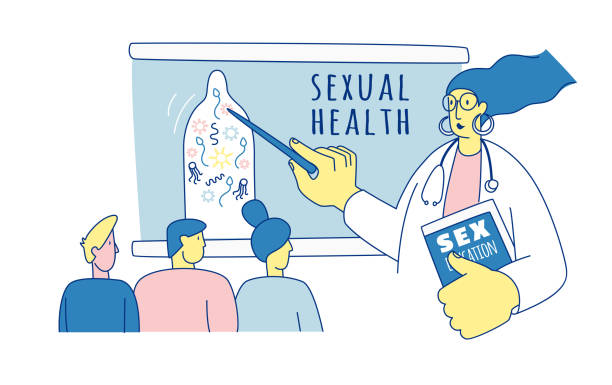
Navigating sexual health as a teen boy can be filled with questions and uncertainties. Understanding puberty, contraception, STIs, and maintaining overall well-being are essential components of sexual health. In this FAQ guide, we’ll address common concerns and provide valuable information to help teen boys make informed decisions about their sexual health.
1. What is puberty, and what changes can I expect? Puberty is a natural process during which your body transitions from childhood to adulthood. You may experience physical changes such as growth spurts, voice deepening, facial hair growth, and changes in genitalia.
2. When should I start thinking about sexual health? It’s essential to start thinking about sexual health early on, even before you become sexually active. Understanding your body, reproductive health, and practicing safe behaviors can help prevent unwanted pregnancies and sexually transmitted infections (STIs).

3. How do I know if I’m ready for sexual activity? Feeling ready for sexual activity involves emotional, physical, and mental readiness. It’s essential to consider factors such as consent, maturity, communication with your partner, and understanding the potential consequences of sexual activity.
4. What are some common STIs, and how can I prevent them? Common STIs include chlamydia, gonorrhea, syphilis, HIV/AIDS, and HPV (human papillomavirus). You can prevent STIs by practicing safe sex behaviors such as using condoms correctly and consistently, getting vaccinated against HPV, and getting tested regularly.
5. How do I talk to my partner about sexual health and contraception? Open and honest communication with your partner is crucial for a healthy sexual relationship. Start by discussing your boundaries, desires, and concerns. When it comes to contraception, be informed about the options available and discuss them together to find what works best for both of you.
6. What should I do if I think I have an STI? If you suspect you have an STI or have had unprotected sex, it’s essential to get tested as soon as possible. Visit your healthcare provider or a clinic that offers STI testing for confidential testing and treatment options.
7. How can I maintain good sexual health overall? Maintaining good sexual health involves practicing safe sex behaviors, getting regular STI screenings, staying informed about sexual health topics, and being respectful of yourself and your partner’s boundaries and choices.
8. What if I have questions or concerns about my sexual health? If you have questions or concerns about your sexual health, don’t hesitate to talk to a trusted adult, such as a parent, guardian, or healthcare provider. You can also reach out to organizations that specialize in sexual health education and support for teens.
9. Is masturbation normal, and is it safe? Masturbation is a normal and healthy part of sexual development. It’s a safe way to explore your body and experience sexual pleasure. There are no harmful side effects of masturbation, and it does not affect your physical health.
10. How can I access sexual health resources and support? There are many resources available for teens seeking information and support about sexual health. You can visit your school’s health center, local clinics, or online websites that provide accurate and age-appropriate information about sexual health for teens. Additionally, organizations such as Planned Parenthood offer confidential services and support for teens navigating sexual health concerns.
As a teen boy, prioritizing your sexual health is crucial for your overall well-being and development. By staying informed, practicing safe behaviors, and seeking support when needed, you can navigate the complexities of sexual health with confidence and ensure a healthy and fulfilling journey into adulthood.

